
Why do people gamble? Unpacking the motivations
Làm thế nào để chọn sòng bạc phù hợp cho bạn?
August 31, 2026What makes a casino experience truly unforgettable?
August 31, 2026Why do people gamble? Unpacking the motivations
The Thrill of Uncertainty
One of the primary reasons many individuals engage in gambling is the thrill that comes with uncertainty. The anticipation of the outcome, whether it’s a spin of a slot machine or the roll of dice, creates a rush of adrenaline that many find irresistible. This sense of excitement can lead to an increased heart rate and heightened emotions, which are stimulating for the individual. Players at a variety of sites, including neosurf casino , enjoy the unpredictability associated with gambling, presenting a tantalizing possibility that one could experience a life-altering win, making the entire experience feel more alive and engaging.
This thrill isn’t just about the potential for financial gain; it encompasses the entire atmosphere of gambling. Many gamblers enjoy the electrifying environment of a gambling venue, where the sounds of spinning reels and cheering crowds amplify their excitement. This environment feeds into a cycle where the thrill of gambling becomes deeply intertwined with social interactions, creating a sense of community among players who share similar passions. Emotional highs associated with the thrill of the game not only enhance the experience but also reinforce the desire to return.
In essence, the thrill of uncertainty serves as a primary motivator for many gamblers. The prospect of winning, coupled with the immediate emotional feedback from the game’s potential outcomes, creates a compelling reason for individuals to engage in gambling activities. This intoxicating mix of risk, reward, and shared experiences continues to drive individuals toward gambling, regardless of the potential consequences, making it a captivating endeavor for many.
Financial Aspirations and Dreams
Another significant motivation for gambling is the financial dreams and aspirations that accompany it. Many individuals hope to strike it rich by winning a large jackpot or prize, and the allure of sudden wealth can be incredibly compelling. This desire for financial gain often goes hand in hand with personal or financial struggles that people may face in their everyday lives. Gambling represents a potential escape route, a chance to improve one’s financial standing rapidly and provide a sense of hope in challenging times.
Moreover, the media often glamorizes the lifestyles of big winners, showcasing stories that fuel the aspirations of many. These narratives depict ordinary individuals who experience transformative financial success overnight, creating a false sense of reality around gambling’s potential. While for some, such victories can happen, it often leads to a misconception that consistent gambling can solve financial problems, driving even more people to participate despite the inherent risks involved.

The appeal of financial aspirations in gambling is not limited to the allure of winning. Many players enjoy the planning and strategizing involved, devising systems or approaches based on statistical probabilities. This belief that they can enhance their chances of winning gives them a sense of control and agency, even in games predominantly governed by chance. This investment in planning can reinforce the notion that gambling might lead to financial freedom, further motivating individuals to participate in these activities.
The Social Aspect of Gambling
The social dynamics of gambling are another powerful motivation that encourages individuals to participate. Gambling venues often serve as social hubs where friends and strangers gather to share experiences and enjoy excitement together. This communal aspect fosters bonds that can strengthen through shared wins or losses, leading to lasting friendships. The social interactions involved in gambling make it an appealing leisure activity, providing opportunities for conversation, laughter, and camaraderie among participants.
For many, gambling activities can be a way to unwind and escape the stresses of daily life alongside friends and family. These social gatherings can become events in themselves, with individuals planning outings to casinos or hosting poker nights at home. The sense of belonging that arises from these activities can be a powerful motivator, as it fulfills a basic human need for connection and community, making the overall experience more enjoyable and rewarding.
Additionally, peer influence plays a significant role in encouraging gambling behavior. Individuals may feel compelled to join in or participate in gambling activities because their friends are doing so. This peer pressure can normalize gambling behaviors, making it seem more acceptable and even desirable among social circles. The social satisfaction derived from being part of a group often outweighs the risks involved, leading to continued participation in gambling activities and reinforcing the cycle of social interaction and gambling.
Coping Mechanism for Stress and Anxiety
Many people turn to gambling as a coping mechanism for dealing with stress and anxiety. The act of placing bets and the immersive nature of games can provide a temporary escape from real-world issues, allowing individuals to focus their attention on the game rather than their problems. This distraction often serves as a form of self-medication, wherein the thrill of gambling helps alleviate temporary feelings of distress or dissatisfaction in life, providing a fleeting sense of relief.
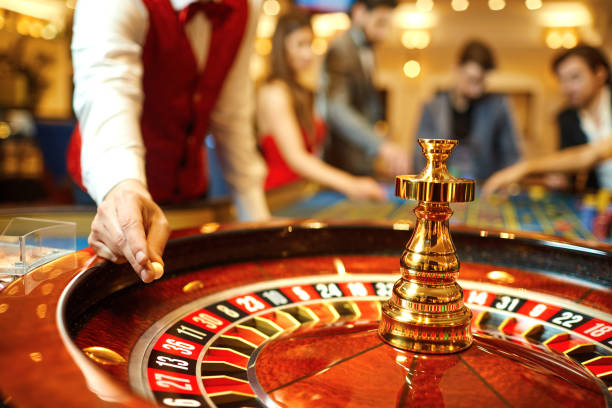
The psychological aspect of using gambling as a form of escapism can be particularly compelling. For individuals facing significant challenges—whether personal, professional, or financial—the hope of winning can provide a much-needed relief. The temporary highs associated with winning can also serve to mitigate feelings of depression or anxiety, creating a feedback loop where gambling becomes a preferred method of coping. Over time, this can lead to unhealthy habits and increased reliance on gambling as a way of managing emotions.
It’s important to note that while gambling may serve as a temporary fix for stress or anxiety, it can ultimately exacerbate underlying issues. As individuals chase the fleeting highs of gambling, they may neglect healthier coping strategies, leading to a cycle of addiction that further complicates their mental health. Recognizing this pattern is essential for those who use gambling as a way to cope, as it can be detrimental in the long run and may require intervention or support to change.
Understanding Gambling Behaviors Online
The rise of online gambling has transformed the way people engage with games of chance and skill. Websites have created an accessible platform that allows individuals to gamble from the comfort of their homes, expanding the audience and appeal of gambling activities. The convenience of online gambling has attracted a diverse range of participants who may not feel comfortable visiting traditional venues. This accessibility has also made it easier for people to engage in gambling behaviors without the social constraints often present in physical locations.
Moreover, the online environment offers unique incentives that further drive gambling behaviors. Promotions, bonuses, and loyalty rewards frequently encourage players to gamble more often than they might in person. The fast-paced nature of online gaming can create an even more exhilarating experience, enhancing the thrill of uncertainty that draws individuals to gambling. This digital shift has continually evolved, offering endless opportunities for engagement that cater to various preferences and interests, which can further entrench gambling habits.
As more people turn to online platforms for gambling, it’s crucial to foster awareness about responsible gaming practices. Websites often implement measures to promote healthy gambling habits, ensuring that users have access to resources for managing their gambling behaviors. Understanding the motivations behind online gambling can help industry stakeholders and players alike create a safer and more sustainable gambling environment that prioritizes well-being while still delivering the excitement and social interactions that many seek.
